The Link Between Eczema and Allergies: Triggers, Atopic March, and Managing Flare-Ups
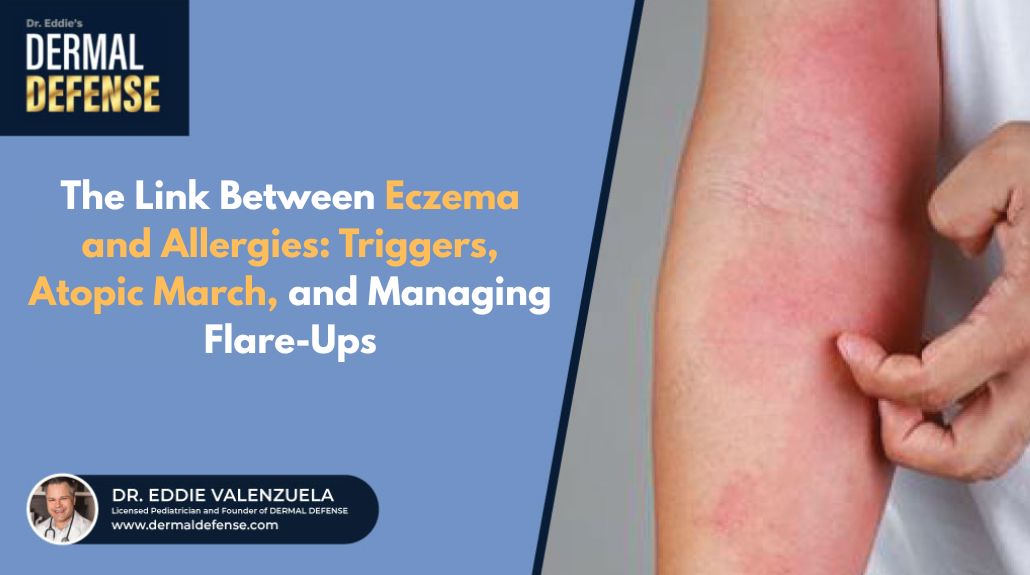
If you or anyone you love has experienced eczema, you may have noticed that symptoms sometimes worsen after exposure to certain triggers such as foods, dust, pollen, or metals. This often leads to an important question: are eczema and allergies connected?
There is a strong association between eczema and allergic conditions, although researchers are still studying the exact relationship. Eczema itself is not caused by allergies, but allergic triggers can contribute to eczema flare-ups in some individuals. Understanding this connection can help you better recognize triggers, soothe symptoms, and support long-term skin comfort.
Dr. Eddie’s Insight
Eczema and allergies often appear together because of changes in the skin barrier and immune response. When the skin becomes more sensitive, exposure to irritants or allergens may increase inflammation and make eczema symptoms harder to manage.
In this guide, we’ll explain what eczema is, how allergies may influence flare-ups, and practical ways to support your skin with a consistent routine.
What is Eczema?
Eczema is a chronic inflammatory skin condition that causes dry, irritated patches and persistent itchy skin. It can affect people of all ages, although it is most common in young children.
In adults, eczema often appears on areas such as:
- Hands
- Face
- Neck
- Elbows
- Inner knees
- Torso
In children, it may be more common on:
- Cheeks
- Ears
- Outer arms
- Thighs
- Skin folds
Common eczema symptoms include:
- Itching
- Dryness
- Irritation
- Inflammation
- Redness
Researchers believe eczema develops from a combination of genetic factors, a weakened skin barrier, immune system sensitivity, and environmental influences. While eczema itself is not caused by allergies, the two conditions are closely linked which is why allergic reactions may influence eczema flare-ups in some individuals.
Connection Between Eczema and Allergies
Many individuals with eczema have a personal or family history of allergic conditions such as asthma, hay fever, or food allergies. Although eczema itself is not caused by allergies, allergic triggers may worsen inflammation and contribute to eczema flare-ups in some people.
Current research suggests this relationship is partly linked to changes in the skin barrier and immune response. When the skin barrier becomes weakened, it may lose moisture more easily and become more vulnerable to environmental irritants or allergens. Rather than fully protecting the body, a compromised barrier may allow allergens to interact more readily with immune cells in the skin, increasing sensitivity and inflammation.
The Atopic March and Skin Barrier Connection
The atopic march describes a pattern in which allergic conditions may develop over time, often beginning with eczema in early childhood and later including food allergies, hay fever, or asthma. This pattern represents a possible progression rather than a guaranteed outcome.
Some children with eczema later develop allergic conditions, which is why researchers continue to study how skin barrier health influences immune regulation. When the barrier is disrupted, allergens may interact more easily with immune pathways, potentially increasing the likelihood of allergic sensitization in certain individuals.
Although eczema is not directly caused by allergies, exposure to triggers such as pollen, dust mites, fragrances, or metals may aggravate symptoms in some people.
Common signs that allergic triggers may be contributing to eczema flare-ups include:
- Increased itching or irritation
- Redness or inflammation
- Persistent or recurring flare-ups
Identifying triggers with the guidance of a healthcare professional can help support more personalized eczema management and reduce future irritation.
Eczema and Food Allergies
People with eczema, especially infants and young children, may have a higher risk of developing IgE-mediated food allergies. Research suggests that around 30% of individuals with eczema or atopic dermatitis also experience food allergies, according to the National Eczema Association.
A weakened skin barrier may allow exposure to food proteins through the skin, which can contribute to allergic sensitization in some individuals. This does not mean that eczema is caused by food allergies, but it helps explain why the two conditions often appear together.
When the immune system becomes sensitized, it may produce IgE antibodies that react to certain food proteins. Over time, chronic inflammation and repeated exposure to allergens can make the skin more reactive, increasing the likelihood of eczema flare-ups.
It’s important to remember that not every person with eczema has food allergies, and unnecessary food restriction is not recommended unless guided by a healthcare professional.
Diagnosing Allergies
If you suspect that allergies may be contributing to your eczema symptoms, it’s best to consult a healthcare professional. Proper testing can help identify potential triggers and guide a more personalized management plan.
Common diagnostic tests may include:
Patch Testing
Small amounts of potential allergens are placed on the skin and monitored over 48 hours to detect delayed allergic reactions. Patch testing is often used to identify contact allergens such as metals, fragrances, or cosmetic ingredients.
Skin Prick Testing
Tiny amounts of allergens are introduced into the surface layer of the skin to evaluate immediate allergic responses. A small raised bump or redness may indicate sensitivity to environmental or food-related triggers.
Blood Testing
Blood tests measure IgE antibody levels, which can help identify allergic sensitization to certain foods or environmental allergens.
Oral Food Challenges
Under medical supervision, suspected foods are introduced gradually to observe for reactions. This test helps confirm or rule out true food allergies when other results are unclear.
These diagnostic tools help identify triggers so that individuals can make informed adjustments to reduce irritation and help prevent future eczema flare-ups.
Managing Eczema and Allergies

Managing eczema, especially when allergies are also present, often requires a combination of gentle skincare, trigger awareness, and medical guidance. Supporting the skin barrier while minimizing exposure to irritants can help reduce inflammation and improve comfort over time.
Eczema Skincare Routine
Keeping the skin clean and well moisturized is one of the most important steps in managing eczema-prone skin.
Step 1: Cleanse
Use a gentle, fragrance-free cleanser such as the Dermal Defense Eczema Body Wash to cleanse the skin at least once daily. Gentle cleansing helps remove sweat, dirt, and potential allergens from the skin without disrupting the skin barrier.
Use lukewarm or cool water instead of hot water, and rinse thoroughly to avoid leaving residue behind.
Step 2: Moisturize
After cleansing, apply a fragrance-free, hypoallergenic moisturizer like the Dermal Defense Eczema Moisturizing Cream to help support hydration and reduce dryness.
Moisturizing at least twice daily and immediately after washing while the skin is still slightly damp can help strengthen the skin barrier and reduce the likelihood of eczema flare-ups.
Avoiding Allergens
Once triggers have been identified with the help of a healthcare professional, minimizing exposure can help reduce irritation and lower the risk of eczema flare-ups.
Food allergens
Avoid foods that cause confirmed allergic reactions, and wash your hands after contact when necessary to reduce skin exposure.
Dust mites
Wash bedding weekly in hot water and maintain a clean indoor environment to help limit dust buildup.
Pollen
Keep windows closed during high pollen seasons and consider covering exposed skin when spending time outdoors.
Pet dander
Limit pets in sleeping areas and consider using HEPA air filtration to reduce airborne allergens.
Mold
Reduce indoor humidity and clean moisture-prone areas regularly to prevent mold growth.
Use of Medication
During more severe eczema flare-ups, topical anti-inflammatory treatments such as prescription creams or ointments may be recommended by a healthcare professional. Antihistamines may also help when allergic symptoms contribute to itching or discomfort.
In some cases, allergy immunotherapy (allergy shots) may reduce sensitivity to environmental triggers over time. Always consult your doctor to determine the safest and most effective treatment plan for your individual needs.
Conclusion
Eczema and allergies are closely connected, even though they are not the same condition. A weakened skin barrier may make it easier for allergens such as foods, dust, pollen, or metals to aggravate eczema symptoms and trigger flare-ups in some individuals.
While eczema itself is not caused by allergies, allergic reactions can make symptoms more difficult to manage. The good news is that a consistent approach focused on gentle skincare, regular moisturizing, trigger awareness, and appropriate medical care can help support healthier, more comfortable skin over time.
Key steps may include:
- Gentle skincare routines
- Consistent moisturizing to support the skin barrier
- Identifying and avoiding known triggers
- Using medications when recommended by a healthcare professional
For those looking to simplify their daily routine, the Dermal Defense Eczema Skincare Bundle combines gentle cleansing and moisturizing support designed for eczema-prone, sensitive skin.

- Can Eczema Cause Swollen Lymph Nodes? - March 24, 2026
- Why Eczema-Prone Skin Loses Moisture Easily (And How to Repair the Skin Barrier) - March 24, 2026
- Eczema and the Immune System: Is It Autoimmune or Immune-Mediated? - February 18, 2026
Recent Post
Frequently Asked Questions
Is eczema an allergy?
Can allergies trigger eczema flare-ups?
What is the atopic march?
Should people with eczema avoid certain foods?
Can a skincare routine help reduce eczema flare-ups?
- Can Eczema Cause Swollen Lymph Nodes? - March 24, 2026
- Why Eczema-Prone Skin Loses Moisture Easily (And How to Repair the Skin Barrier) - March 24, 2026
- Eczema and the Immune System: Is It Autoimmune or Immune-Mediated? - February 18, 2026