Choosing a Fragrance-Free Cleanser for Eczema-Prone Skin
A cleanser should remove sweat, dirt and residue without leaving eczema-prone skin feeling needlessly tight or irritated. The right choice depends on the whole formula and how you use it. A product’s “eczema” label or long list of natural ingredients is not enough to predict comfort.
This guide focuses on selecting a cleanser. For the steps after washing, see our daily eczema skin-care routine.
Start with fragrance-free labeling
Fragrance can irritate sensitive skin or cause allergic contact dermatitis in some people. A fragrance-free cleanser is a practical starting choice. “Unscented” is not necessarily the same: a product may have ingredients intended to mask its odor.
Read the complete ingredient list if you have a known allergy. Essential oils and plant extracts can also contain substances that cause reactions. A natural scent is still an exposure to consider, rather than an automatic improvement over other fragrance.
Judge the formula by its job and your response
Look for a mild cleanser intended for sensitive skin, and consider a soap-free option if traditional soap leaves you dry. “Hypoallergenic” cannot guarantee that a product will suit everyone. Claims such as vegan or cruelty-free address different concerns and do not establish that a cleanser is non-irritating.
Foam is not a reliable measure of either cleanliness or gentleness. A product does not need a large lather to remove everyday buildup. Likewise, a moisturizing ingredient in a rinse-off formula does not eliminate the need for a leave-on moisturizer afterward.
Try one new product at a time. Notice how the skin feels during washing and afterward, and whether a recurring patch worsens. If discomfort follows the same cleanser each time, stop and reconsider it rather than washing more vigorously.
Use gentle technique as well as a suitable cleanser
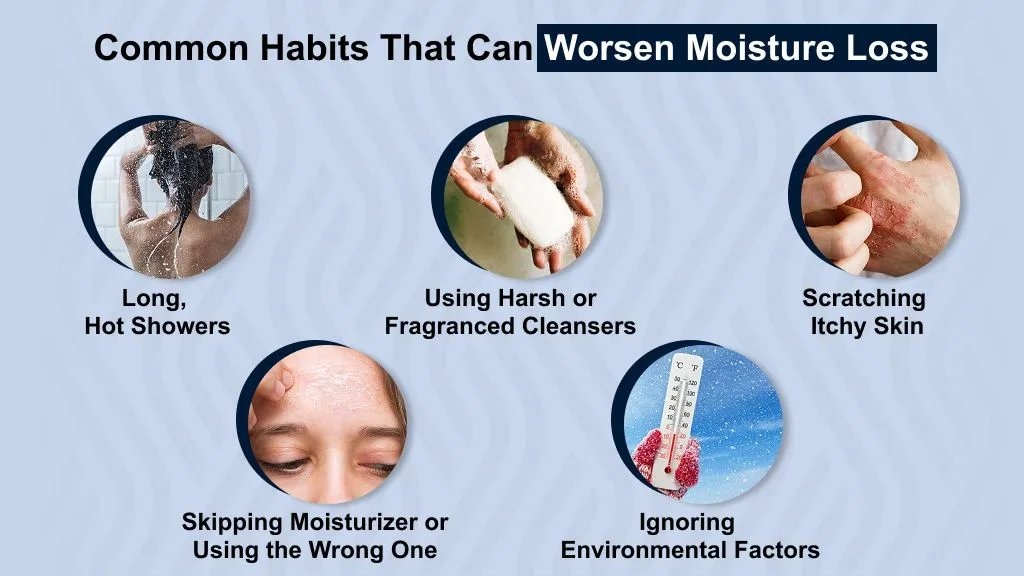
Wash with lukewarm water and keep bathing brief. Use your hands to distribute cleanser where needed, then rinse thoroughly. Rough sponges, brushes and scrubs can add friction that a gentle formula cannot offset.
There is no universal requirement to cleanse every body area repeatedly each day. Activity, age, sweat and your clinician’s advice help determine an appropriate routine. Our bathing guide explains why temperature and duration matter.
Follow washing with leave-on moisture
Pat gently with a soft towel and apply moisturizer while the skin is still slightly damp. This is a separate step with a different purpose: helping the outer skin retain water after cleansing.
Dermal Defense Moisturizing Cream is a fragrance-free moisturizer for the face and body. It contains glycerin to attract moisture and petrolatum to help reduce water loss. It is a leave-on cream; it should not be used as a cleanser or rinsed away as the washing step.
Reapply to dry areas as needed, and follow your clinician’s instructions for prescribed topical medicines. A moisturizer supports dryness but does not replace treatment for active eczema inflammation.
Investigate repeated stinging or a persistent rash
Damaged skin can sting when exposed to water or products, but burning does not prove that a cleanser is effective. Persistent symptoms, a new rash or repeated reactions deserve assessment. Irritant and allergic contact dermatitis may need a different approach from simply switching to another “eczema” product.
Increasing pain, warmth, pus, rapid worsening or fever may indicate infection and warrant prompt care. A clearer diagnosis is more useful than a growing collection of products that all leave the skin uncomfortable.
Reference: American Academy of Dermatology: skin-care advice for atopic dermatitis.

- Eczema and Swollen Lymph Nodes: Causes and When to Seek Care - March 24, 2026
- Eczema-Prone Skin and Moisture Loss: Understanding the Skin Barrier - March 24, 2026
- Eczema and the Immune System: Inflammation and Barrier Function - February 18, 2026