Eczema-Prone Skin and Moisture Loss: Understanding the Skin Barrier
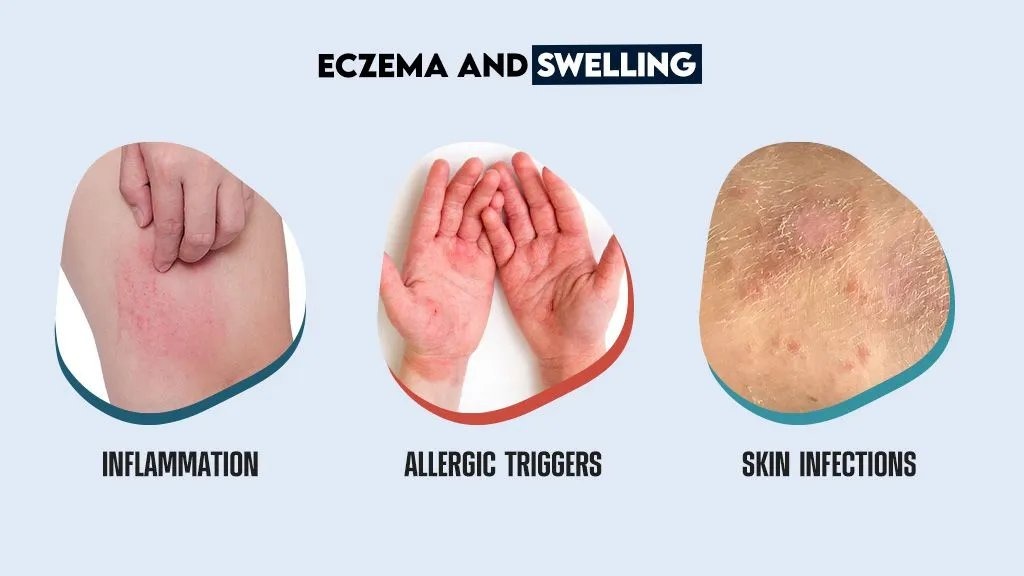
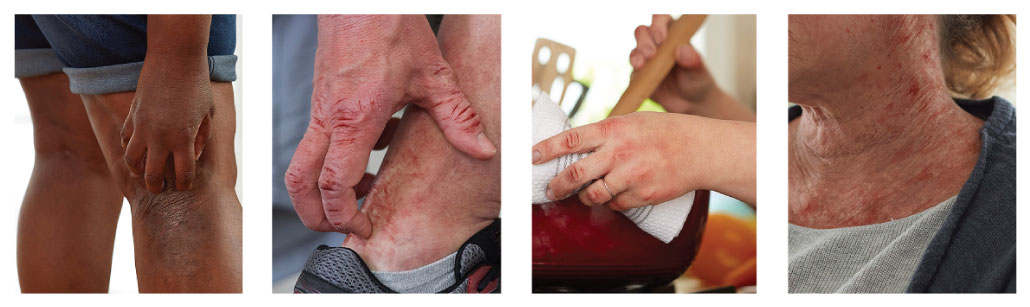
Eczema-prone skin can feel dry again soon after moisturizing. One reason is that the outer skin may lose water more readily when its barrier function is altered. Inflammation, scratching, washing and the surrounding environment can all affect that balance.
Returning dryness does not prove that moisturizer is useless or that drinking more water will fix the problem. It is a reason to consider both the skin barrier and whether active eczema is adequately controlled.
The outer skin limits water loss
The stratum corneum, the outermost part of the epidermis, contains cells surrounded by lipids. A brick-and-mortar comparison is useful: the cells contribute the structure and the lipids between them help maintain an effective barrier. This is a living, renewing system rather than a waterproof coating.
Some water normally moves through the skin and evaporates. The term transepidermal water loss describes that outward movement. When barrier function is impaired, water loss can increase and the surface may become dry, rough or uncomfortable.
Proteins, lipids and inflammation affect the barrier
Filaggrin is one of the proteins involved in the outer skin’s structure and hydration. Some inherited variants affect its function, while inflammation can also influence barrier proteins. Not every person with eczema has the same genetic change or the same degree of barrier disruption.
Differences in skin lipids, including ceramides, and changes in the skin’s surface environment can also contribute. These processes help explain recurring sensitivity, but they do not make a single ingredient a guaranteed repair treatment. The whole condition and the finished formula matter.
For the related biology, see inherited susceptibility and immune signaling in eczema.
Everyday exposures can add to water loss and irritation
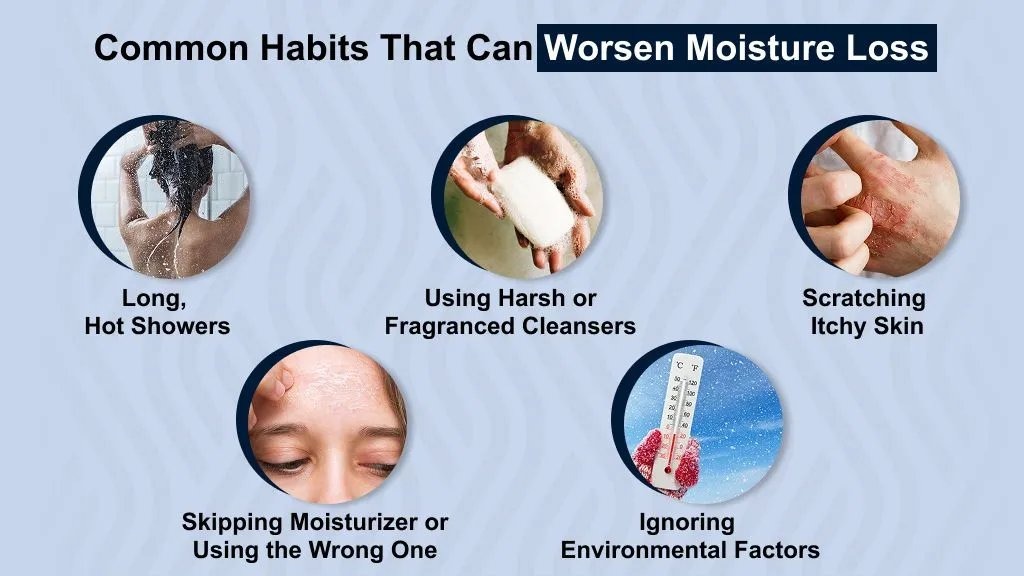
Long, hot showers, repeated use of an irritating cleanser and vigorous rubbing may leave skin less comfortable. Scratching creates additional damage, while dry air and frequent handwashing can make moisture needs more noticeable.
These influences do not mean ordinary washing is harmful in every circumstance. Gentle technique and what happens afterward matter. Use lukewarm water, avoid unnecessary friction and moisturize promptly after washing. Our bathing guide explains practical adjustments.
Moisturizers support the surface through different functions
Humectants such as glycerin attract water into the outer skin. Occlusive ingredients such as petrolatum help limit its escape. Emollient ingredients improve the feel of a dry or rough surface. A formula can combine these functions rather than relying on one alone.
Dermal Defense Moisturizing Cream combines glycerin and petrolatum for face and body hydration. Apply to slightly damp skin after washing and reapply to dry areas as needed. The cream formula guide explains its ingredients and their limits.
A moisturizer can support the barrier without curing eczema. If itching and inflammation persist, medical treatment may be needed alongside regular application. Repeatedly adding more products can make a routine harder to follow without addressing the underlying flare.
Drinking extra water is not a substitute for topical care
Normal hydration supports overall health, but eczema-related water loss occurs at the skin surface. Drinking beyond your needs does not automatically restore an inflamed skin barrier. A person can be adequately hydrated and still have dry eczema-prone skin.
Likewise, surface tightness after washing does not reveal a precise internal deficiency. Consider the routine and symptoms before assuming you need a supplement, special diet or a product advertised to rebuild every skin component.
Judge progress by comfort and function
Look for improvement in dryness, cracking, itch and daily comfort rather than expecting a fixed “barrier repair” deadline. The time course varies with severity, ongoing exposures and treatment. A clinician can help if the skin keeps worsening or moisturizing repeatedly stings.
Increasing pain, warmth, pus or fever needs prompt assessment for infection. For the practical sequence of cleansing, moisturizing and prescribed care, use our daily eczema routine.
Reference: NIAMS: atopic dermatitis and skin-barrier changes.

- Eczema and Swollen Lymph Nodes: Causes and When to Seek Care - March 24, 2026
- Eczema-Prone Skin and Moisture Loss: Understanding the Skin Barrier - March 24, 2026
- Eczema and the Immune System: Inflammation and Barrier Function - February 18, 2026