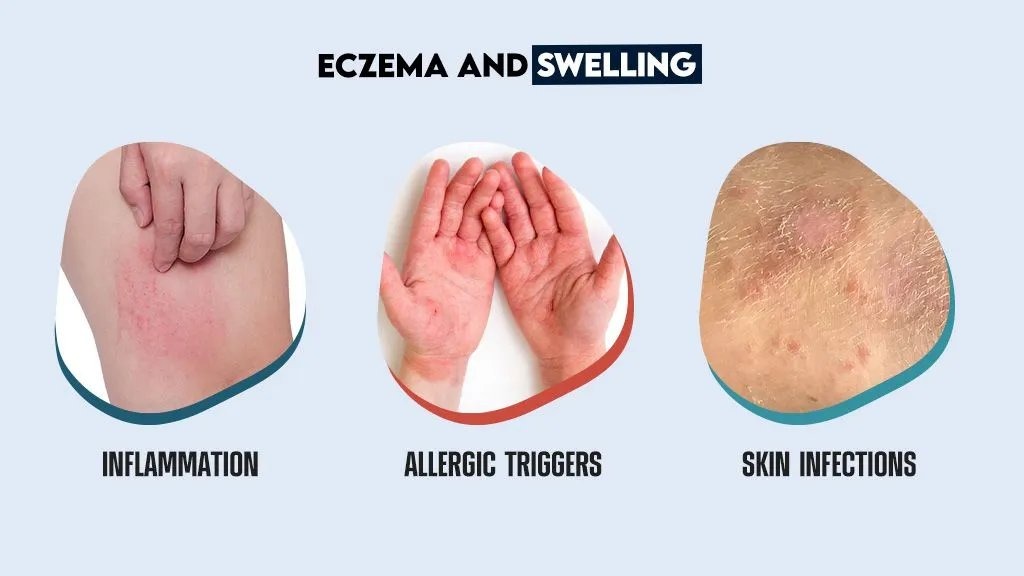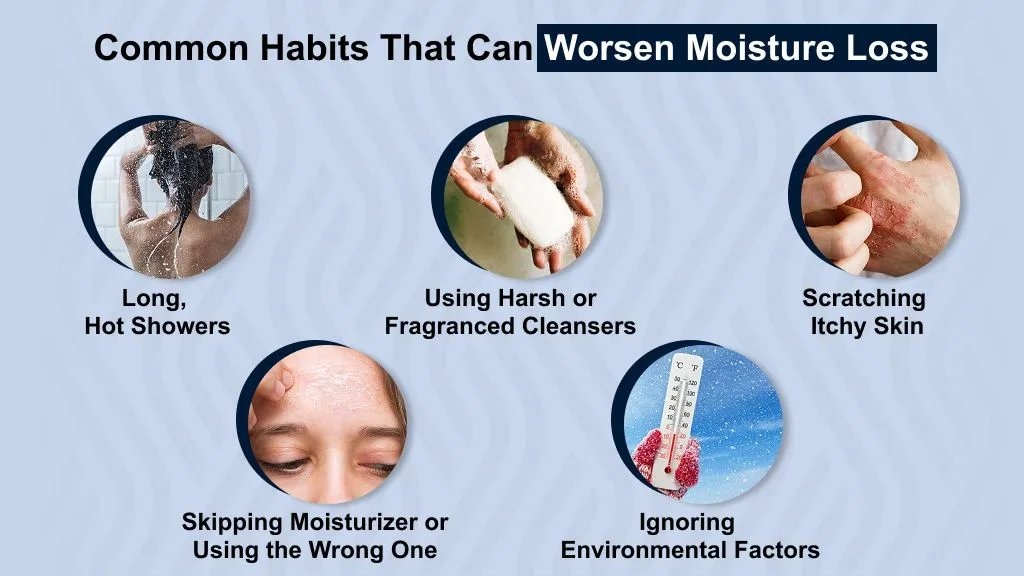
Adult-Onset Eczema: Symptoms and Diagnostic Next Steps
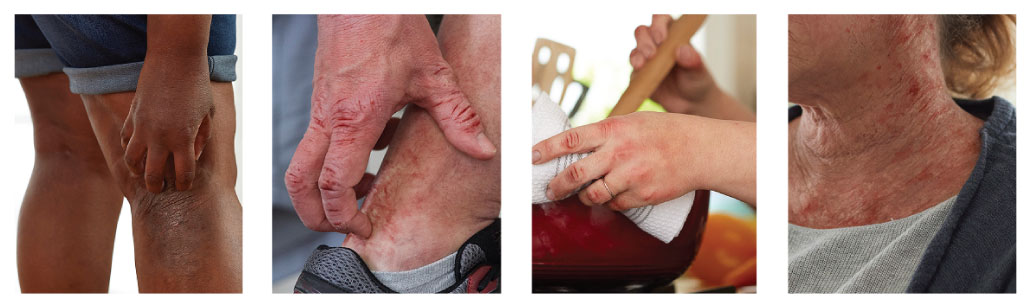
Eczema can appear for the first time in adulthood, even if you do not remember having it as a child. A new itchy rash still deserves assessment rather than an automatic eczema label. Contact dermatitis, fungal infections, psoriasis and other conditions can look similar but need different care.
The useful first step is to establish what the rash is. Once the diagnosis is clearer, a clinician can help you choose treatment and a routine that fits the affected areas and your daily life.
New symptoms can have several explanations
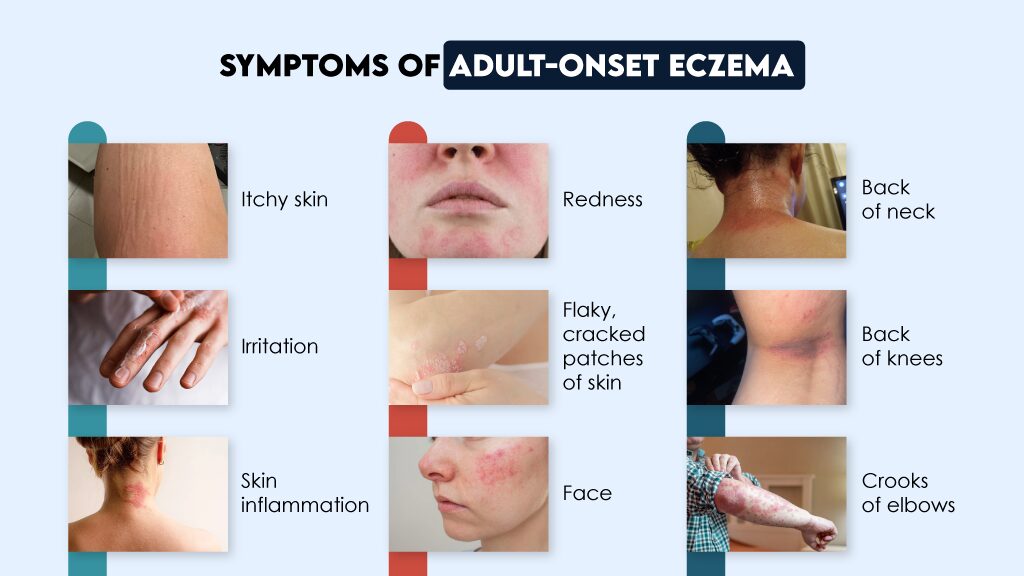
Atopic dermatitis often causes persistent itching, dry patches, roughness and inflammation that comes and goes. Scratching may lead to thickened skin, small breaks or bleeding. Inflammation may look pink or red on lighter skin, and purple, gray or darker brown on more deeply pigmented skin.
The face, neck, hands and skin folds can be involved, but location alone does not identify the condition. A patch that follows the shape of a watchband or appears after a new skin-care product may suggest a contact reaction. A spreading ring-shaped rash may need evaluation for a fungal infection.
Photographs can illustrate patterns, but they cannot confirm your diagnosis. Lighting, skin tone, scratching and previous treatments all affect how a rash looks.
Inherited susceptibility does not determine the timing
Skin-barrier function, immune signaling, genetics and environmental exposures interact in atopic dermatitis. Some people have inherited barrier-related differences, but not everyone with eczema has a filaggrin gene variant. A family history of eczema or other atopic conditions can be relevant without being required.
Symptoms may become apparent after a change in work exposures, washing habits, climate or products. That timing is useful information, but it does not prove one exposure caused the underlying condition. For more on inherited risk, see eczema and genetics.
Prepare a useful history for the appointment
Record when the rash began, where it first appeared and whether it is spreading or recurring. Note itch, burning, pain, sleep disruption and any discharge. Photos taken before treatment can help when the skin looks different on the day of the appointment.
Bring a list of medications and recent changes in cleansers, cosmetics, detergents, protective gloves or workplace materials. Include products you have already tried and whether they helped or stung. A clinician may examine the skin and, when appropriate, investigate infection or contact allergy.
Keep interim care gentle
While arranging advice, avoid the product or exposure that clearly worsens the area. Wash gently in lukewarm water, avoid scrubbing and use a fragrance-free moisturizer you tolerate. Resist adding several medicated creams at once; doing so can irritate the skin and make the original pattern harder to interpret.
Dermal Defense Moisturizing Cream can provide hydration for dry face and body skin through glycerin and petrolatum. It does not establish the diagnosis or treat every possible cause of a new rash. Once you have a care plan, our daily routine guide can help organize the moisturizing step.
Match treatment to the diagnosis and severity
If the diagnosis is atopic dermatitis, treatment may include prescribed topical medicines alongside regular moisturizing. More persistent or extensive disease may need additional options. Antihistamines are not a general substitute for controlling eczema inflammation, and oral steroids are not a routine long-term solution.
Seek prompt care for increasing pain, warmth, pus, rapidly worsening skin or fever. Painful clustered blisters, eye involvement or feeling significantly unwell need urgent assessment. A new adult rash that persists or changes despite treatment should be reassessed.
Reference: American Academy of Dermatology: adult-onset eczema.

- Eczema and Swollen Lymph Nodes: Causes and When to Seek Care - March 24, 2026
- Eczema-Prone Skin and Moisture Loss: Understanding the Skin Barrier - March 24, 2026
- Eczema and the Immune System: Inflammation and Barrier Function - February 18, 2026