Stress and Eczema: Understanding the Flare-Up Cycle
Stress can aggravate eczema in some people, and an uncomfortable flare can create more stress. That two-way relationship helps explain why a difficult week may coincide with itching, poor sleep and more scratching. It does not mean you caused your eczema or could control it simply by relaxing.
This guide focuses on the stress–flare cycle. For the broader effects on mood, relationships and daily life, see eczema and mental health.
Stress is one influence on an existing condition
Atopic dermatitis develops through an interaction of skin-barrier function, immune activity, inherited susceptibility and the environment. Emotional stress can influence that interaction, but it is not a complete explanation for the condition. A rash that appears during a stressful period still needs the right diagnosis.
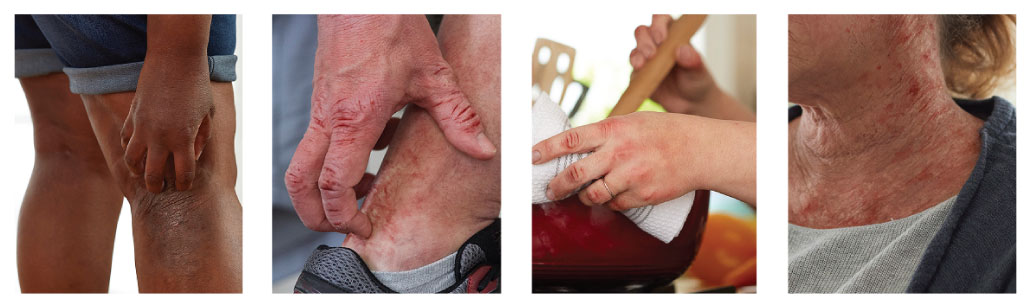
People sometimes call these episodes “stress eczema.” This describes a suspected trigger rather than a separate type of eczema. The patches may look and feel like your usual eczema, with dryness, itching, roughness and inflamed skin. Their color varies with skin tone; inflammation is not always bright red.
Itching and disrupted sleep can keep the cycle going
Stress may increase the urge to rub or scratch, sometimes without conscious awareness. Scratching briefly changes the sensation but can damage already vulnerable skin. More irritation then makes it harder to settle, concentrate or sleep.
Lost sleep can leave you less able to cope with an ordinary frustration the next day. During a busy period, it may also become harder to keep up with prescribed treatment or a familiar moisturizing routine. These practical effects matter alongside the biological connection between stress and inflammation.
Look for patterns without blaming yourself
A brief record can help identify whether stress is a recurring influence. Note when symptoms worsen, how you slept, new products or exposures, and whether the routine changed. A flare after a demanding day may also involve heat, sweat, travel, dry air or missed treatment.
Look for repeated patterns rather than assigning a cause after one episode. Bring the record to a clinician if the pattern is unclear or the flare keeps returning. Avoid turning tracking into another source of pressure; a few useful notes are enough.
Make relief and routine easier during difficult weeks
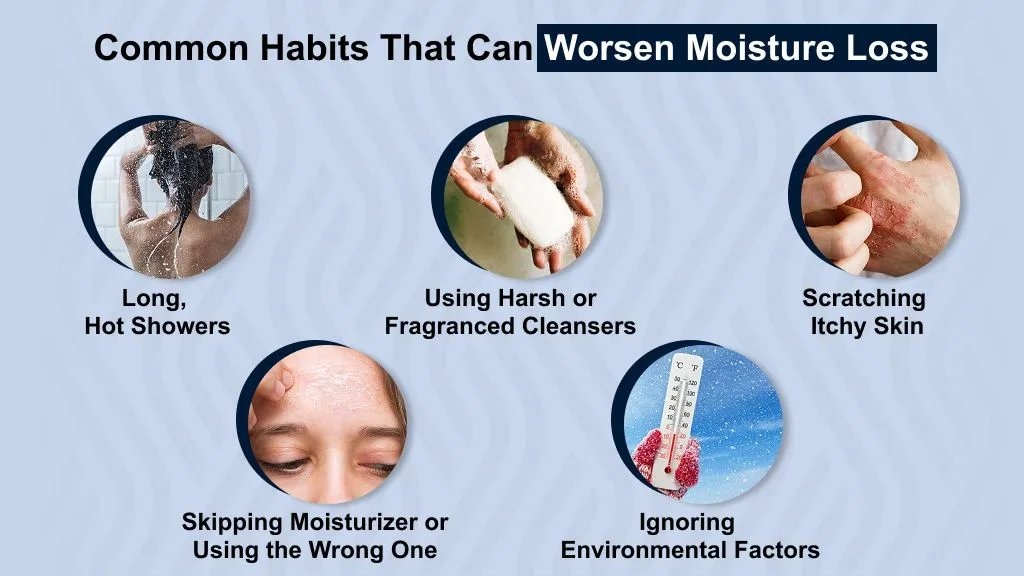
Keep the skin-care steps simple and put the products you already tolerate where you use them. A cool, damp compress can offer temporary comfort for itchy skin. Gentle pressure may cause less damage than scratching, and keeping nails short can reduce injury when scratching happens.
Choose a manageable way to decompress, such as a walk, slow breathing, a quiet activity or talking with someone you trust. If exercise leaves you hot and sweaty, cool down, rinse gently as needed and moisturize afterward. These habits support well-being; they do not replace treatment for skin inflammation.
At night, a comfortable room temperature, soft sleepwear and a consistent wind-down routine may help. If itching repeatedly wakes you, tell your clinician rather than accepting poor sleep as unavoidable. Improving eczema control is often an important part of addressing the sleep problem.
Keep moisture support in its proper role
Regular moisturizer can help dry skin feel more comfortable during stressful periods. Dermal Defense Moisturizing Cream contains glycerin to attract moisture and petrolatum to help limit water loss. Apply to dry areas of the face and body as directed, including after washing.
It is a moisturizer, not a treatment for stress or the inflammatory causes of eczema. Use any prescribed treatments according to your care plan. Our daily eczema skin-care routine explains how the everyday steps fit together.
Get help when the burden is growing
Contact a clinician if a flare is worsening, disturbing sleep or making normal activities difficult. Increasing pain, warmth, pus, rapidly worsening skin or fever may indicate infection and need prompt assessment. Persistent anxiety, low mood or avoidance of everyday life also deserve support, alongside care for the skin.
Reference: NIAMS: treatment and living with atopic dermatitis.

- Eczema and Swollen Lymph Nodes: Causes and When to Seek Care - March 24, 2026
- Eczema-Prone Skin and Moisture Loss: Understanding the Skin Barrier - March 24, 2026
- Eczema and the Immune System: Inflammation and Barrier Function - February 18, 2026