Using Dermal Defense Cream on the Face and Body
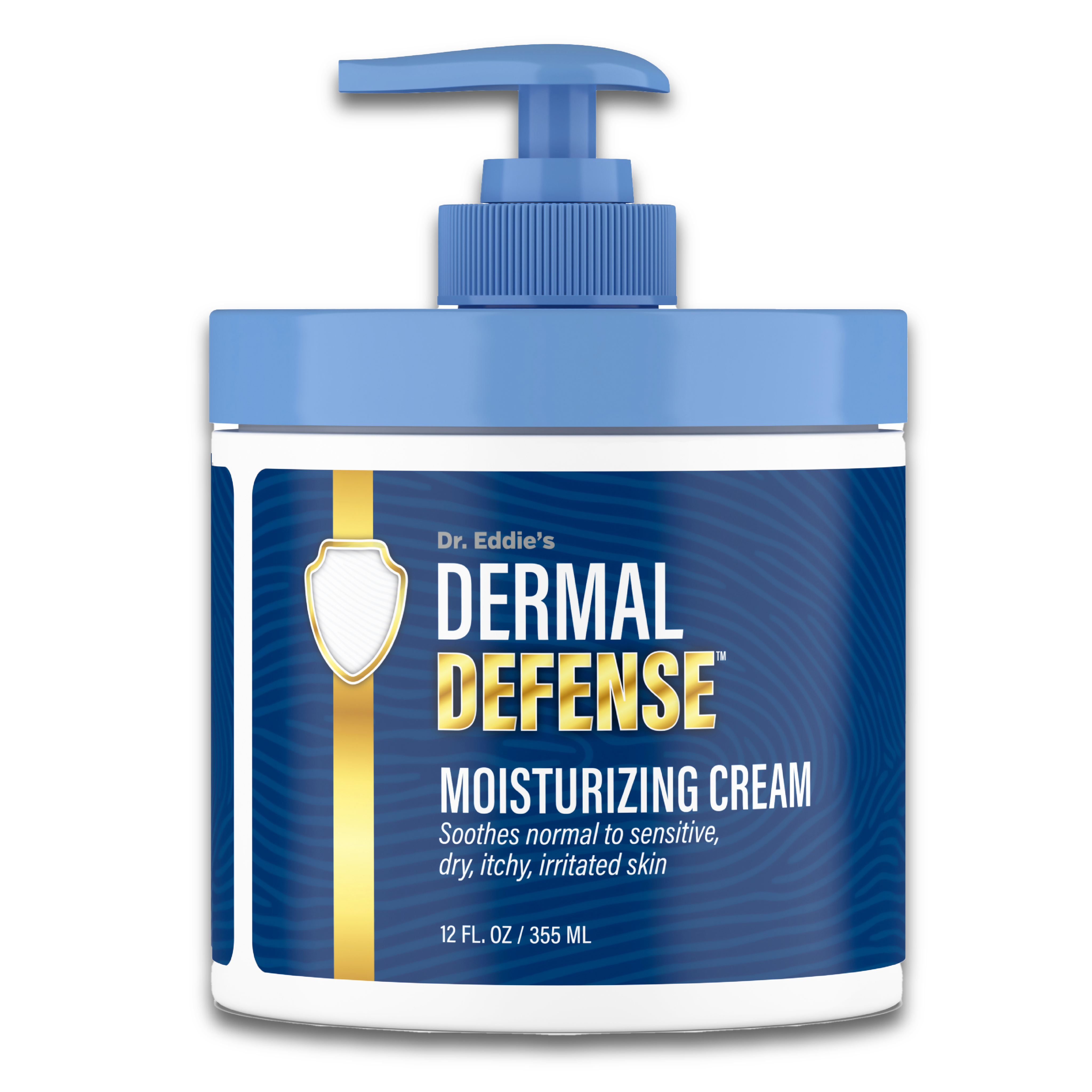
Dermal Defense Moisturizing Cream can be the moisturizing step for dry skin on your face, hands and body. The aim is to get a comfortable layer onto the skin and repeat the step when needed, rather than applying a large amount once and expecting it to last through every wash.
This guide covers application. For how the formula works, see glycerin, petrolatum and moisture support.
Apply after washing while the skin is slightly damp
After gentle cleansing, pat with a soft towel and leave a little moisture on the skin. Smooth the cream over dry areas without hard rubbing. Applying promptly helps retain water from washing.
The product directions recommend at least twice-daily use or application as needed. Reapply after handwashing and when dry patches feel tight. The amount and frequency depend on the area, how often it is washed and what feels comfortable.
Use a light layer on facial skin
Start with a small amount and spread it gently over dry facial areas. Add more only where needed. Avoid getting cream in the eyes and do not apply inside the mouth or nose. Stop using it if it clearly causes irritation.
Facial skin can have conditions other than simple dryness, including contact dermatitis, rosacea and seborrheic dermatitis. Moisturizing can support dryness alongside appropriate treatment, but it does not identify or treat all of these conditions. Persistent redness, flaking, burning or swelling needs the right assessment.
Work through facial hair to reach the skin
For a beard or mustache, place a small amount on your fingertips, part the hair as needed and work the cream gently onto the dry skin underneath. A layer sitting only on the outside of the beard will not provide the same skin contact.
If you use a medicated shampoo for a diagnosed dandruff or seborrheic dermatitis problem, follow its label for washing and rinsing. Apply moisturizer afterward to areas that need hydration, unless your clinician has given different instructions. The cream is a moisture step, not a replacement for the shampoo’s treatment role.
Cover body areas that lose moisture during the day
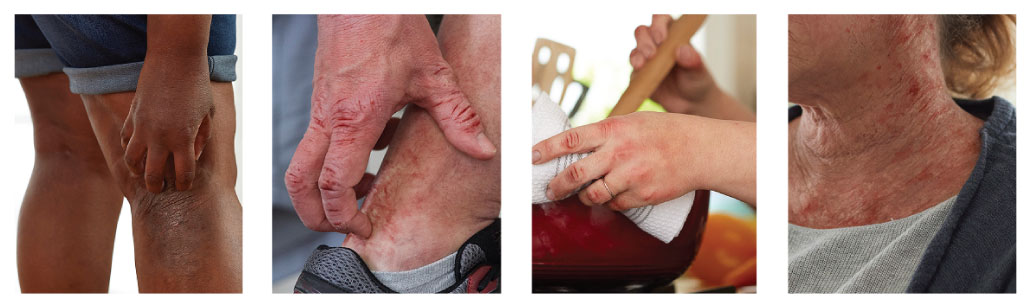
Hands, arms, legs and other dry areas may need attention after bathing, work or repeated washing. Use enough to distribute a comfortable layer, then allow it to settle before putting on close-fitting clothes. Avoid vigorous massage over inflamed or cracked skin.
Keeping the pump jar near the place you dress or wash can make regular use easier. Clean hands and ordinary hygienic handling help keep the product in good condition. Follow the packaging directions for storage and use.
Combine moisturizer with prescribed care as directed
Prescribed topical medicines and moisturizers have different purposes. Follow your clinician’s directions about the order, timing and body areas for each. Do not mix a medicine into the cream or use the moisturizer to dilute a prescription unless specifically instructed.
If eczema remains itchy or inflamed despite regular moisturizing, the answer may be a treatment review rather than a thicker layer. Our daily eczema routine places moisturizing within a fuller care plan.
Check tolerance and the complete formula
The cream is fragrance-free and contains glycerin, petrolatum and a licorice-derived skin-conditioning ingredient. Check the complete ingredient list if you have a known allergy. No moisturizer is guaranteed to suit every person.
For an infant, a persistent rash or a history of significant product reactions, ask a clinician which moisturizer is appropriate. Increasing pain, warmth, drainage or fever calls for medical assessment, rather than routine moisturizing alone.
Shop Dermal Defense Moisturizing Cream in the 12 fl oz pump jar.

- Eczema and Swollen Lymph Nodes: Causes and When to Seek Care - March 24, 2026
- Eczema-Prone Skin and Moisture Loss: Understanding the Skin Barrier - March 24, 2026
- Eczema and the Immune System: Inflammation and Barrier Function - February 18, 2026