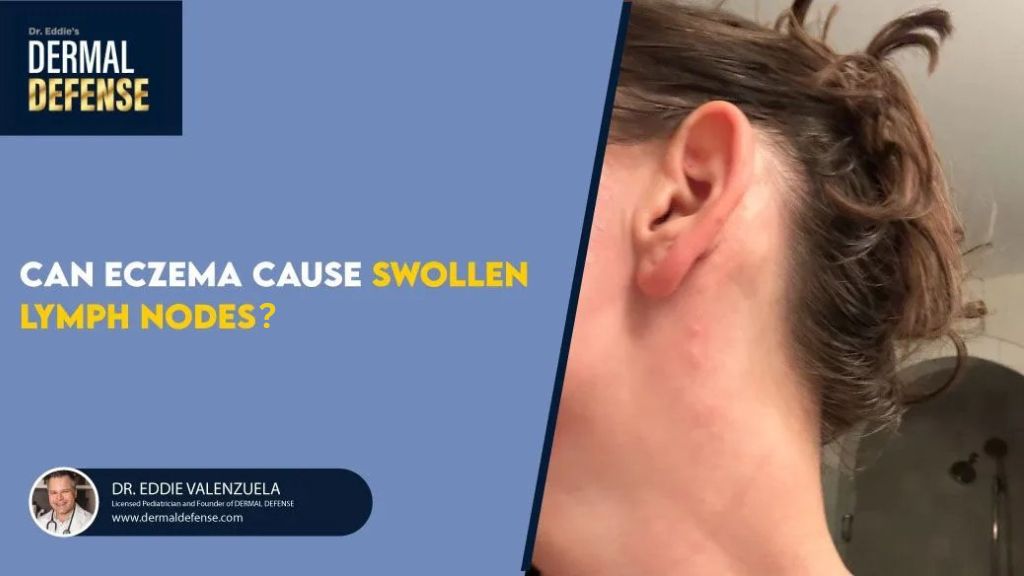
Can Eczema Cause Swollen Lymph Nodes?
Doctor’s Answer
Short Answer: Eczema can be associated with swollen lymph nodes, but usually only in more severe cases or when infection or significant inflammation is present. In most cases, swelling is a sign of immune system activity rather than eczema itself.
Swollen lymph nodes usually occur when your body is responding to inflammation or an infection, not directly from eczema itself.
That said, more severe or irritated eczema can sometimes cause nearby lymph nodes to feel tender or slightly enlarged. This happens because your immune system is reacting to inflammation in the skin.
Mild eczema typically does not cause noticeable lymph node swelling on its own. When swelling does occur, it is more often linked to complications such as skin infection or significant inflammation.
If you notice persistent swelling, increasing pain, or other unusual symptoms, it is important to check in with a healthcare professional to rule out infection or other causes.
Taking care of your skin with gentle cleansing, regular moisturizing, and avoiding known triggers can help reduce inflammation and support overall skin comfort.
Dr. Eddie Valenzuela
Key Takeaways
- Mild eczema usually does not cause swollen lymph nodes
- Swelling is more likely with infection or significant inflammation
- Infected eczema can lead to tender, enlarged lymph nodes
- Persistent or unusual swelling should be evaluated by a healthcare professional
Eczema can sometimes be associated with swollen lymph nodes, but it is usually not the direct cause. In most cases, lymph node swelling happens when the body is responding to infection or significant inflammation.
This article will help you understand when it’s simply your skin reacting versus when lymph node swelling may need closer attention, along with practical guidance on managing eczema and reducing inflammation.
What Is Eczema?
Atopic dermatitis, commonly referred to as eczema, is a chronic skin condition that causes itchy, red, and inflamed skin. Flare-ups can come and go, often appearing as dry, rough patches that may crack, bleed, or feel extremely sensitive.
While anyone can develop eczema, it is more common in people with a family history of eczema, hay fever, allergies, or asthma.
Some common eczema symptoms include:
- Intense itching
- Red, inflamed patches of skin
- Dry skin
- Irritated or sensitive skin
- Flaky or rough areas that may crack or ooze
- Occasional swelling or tenderness in affected areas
This type of eczema swelling is usually limited to the skin and does not always involve the lymph nodes.
What Causes Eczema?
Eczema is believed to be caused by a combination of factors:
Skin barrier dysfunction
The skin’s protective layer is weaker, allowing moisture to escape and irritants or allergens to enter more easily. This leads to dryness and increased sensitivity.
Genetics
Certain genes can make people more likely to develop eczema, which is why it often runs in families.
Overactive immune system
The immune system overreacts to triggers, leading to inflammation that shows up as redness, swelling, and itching.
What Are Lymph Nodes?
Lymphadenopathy refers to the swelling of lymph nodes, which are small, bean-shaped structures located throughout the body.
Lymph nodes are commonly found in areas such as:
- The neck
- Behind the ears
- Under the arms
- The groin
Although small, they play an important role in keeping your immune system functioning properly. You can think of them as filters that help trap bacteria, viruses, and other unwanted particles to prevent them from spreading.
Each lymph node helps:
- Move fluid through your tissues
- Filter out harmful substances
- Support your body’s ability to fight infections.
When lymph nodes swell, it is usually a sign that your immune system is responding to something, such as inflammation or infection. Swollen nodes may feel tender, soft, or firm, and sometimes painful.
How Lymph Nodes React
Lymph node swelling can present in different ways:
- Localized swelling: A few nearby lymph nodes become enlarged, often in response to a nearby infection or irritation, such as a cold or skin infection.
- Generalized swelling: Multiple groups of lymph nodes are enlarged, which can occur with certain infections, autoimmune conditions, or more serious illnesses.
Noticing swollen lymph nodes does not automatically mean something serious. In many cases, it simply reflects that your immune system is active and responding as it should.
Can Eczema Cause Swollen Lymph Nodes?
So, can eczema cause swollen lymph nodes in adults? The honest answer is yes, but usually not directly.
From a clinical perspective, lymph node swelling reflects immune system activation rather than a direct symptom of eczema itself.
Lymph nodes typically enlarge when the body is responding to infection or significant inflammation, producing more immune cells to address a perceived threat. As a result, nearby lymph nodes can become tender or enlarged.
With eczema, especially during more intense flare-ups, the skin can become inflamed, cracked, or irritated. In these situations, nearby lymph nodes, often in the:
- Neck
- Jawline
- Under the arms
may become slightly enlarged as they react to inflammation in the skin.
However, mild eczema typically does not cause noticeable lymph node swelling.
More often, eczema and swollen lymph nodes are linked to complications such as infection rather than eczema alone.
Weeping Eczema (Extreme Cases of Eczema)
Weeping eczema represents a more severe form of the condition, where the skin develops small fluid-filled blisters that may leak clear or yellowish fluid. The skin can appear raw, shiny, or crusted once the fluid dries.
At this stage, the skin barrier is significantly compromised, making it easier for bacteria to enter. When this happens, the immune response increases, and nearby lymph nodes may swell as part of that response.
Infected Eczema
When eczema becomes infected, lymph node swelling becomes more likely.
Scratching and open skin create an entry point for bacteria, most commonly Staphylococcus species, leading to what is often referred to as an eczema skin infection.
Signs of infection include:
- Increased redness or warmth
- Pus or thick yellow crusting
- Worsening pain
- Infected eczema blisters
- Fever or fatigue
- Tender, swollen lymph nodes
In this situation, the swelling is not caused by eczema itself, but by the body’s immune response to infection.
Eczema Herpeticum
A less common but more serious complication is eczema herpeticum, which occurs when the herpes simplex virus infects eczema-affected skin.
Because eczema weakens the skin barrier, the virus can spread more easily across inflamed areas. This condition often presents with clusters of painful blisters and may be accompanied by:
- Fever
- Fatigue
- Swollen lymph nodes
Eczema herpeticum can affect adults, children, and infants. Because it can progress quickly, prompt medical evaluation is important.
Eczema and Swelling
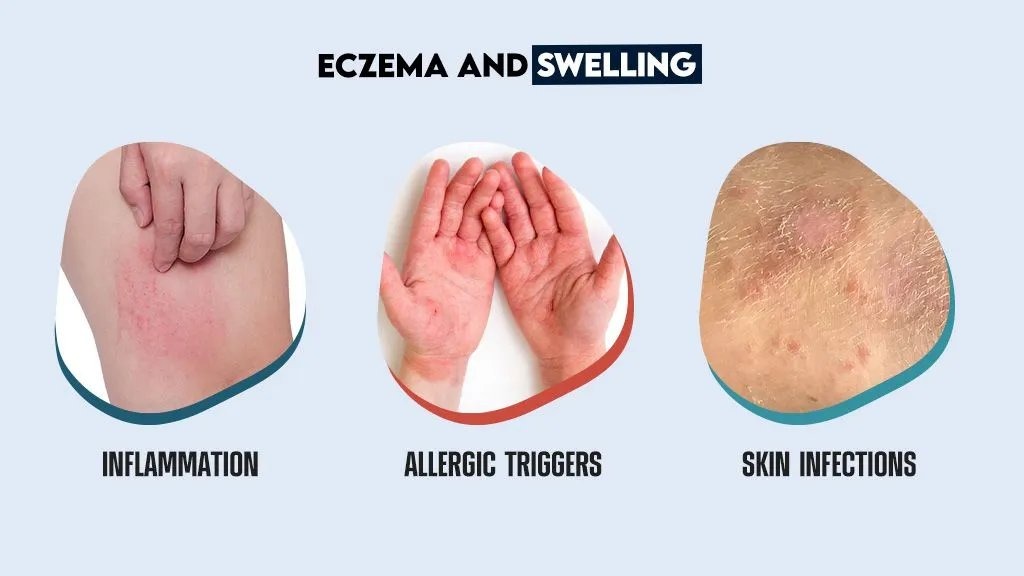
Now that we understand how severe eczema can sometimes be associated with swollen lymph nodes, the next question is: why does swelling happen in the first place?
Swelling is a normal response from your body. When your immune system senses irritation, injury, or a potential threat, it increases blood flow to that area. This leads to fluid buildup and immune activity in the skin, which can make it look puffy, feel tight, or become tender.
This is what many people describe as eczema swelling.
Why Does Eczema Cause Swelling?
Inflammation
Eczema is, at its core, an inflammatory condition. When your immune system overreacts to triggers, it releases chemicals that cause redness, warmth, and fluid buildup in the skin. That fluid buildup leads to visible swelling, especially during more intense flare-ups.
Allergic Triggers
When your skin comes into contact with something you are sensitive to, such as certain fabrics, skincare products, or environmental allergens, your body can react quickly. This reaction often includes itching, redness, and swelling in the affected area.
Skin Infections
Eczema weakens the protective outer layer of the skin. When that barrier is compromised, bacteria or viruses can enter more easily. If an infection develops, swelling may increase as your immune system works to fight it off.
When to Consult a Doctor for Swollen Lymph Nodes
Most swollen lymph nodes are temporary and improve as your body finishes responding to whatever triggered them. In many cases, they are simply a sign that your immune system is doing its job.
However, there are times when swelling may need medical attention.
You should consider seeing a doctor if a lymph node:
- Is larger than about 1.5 centimeters (roughly the size of a large marble)
- Feels very firm or does not move when you press on it
- Lasts longer than two weeks without getting smaller
- Continues to grow over time
It is also important to watch for other symptoms that may signal something more serious, such as:
- A fever lasting several days
- Unexplained weight loss
- Night sweats
- Persistent or extreme fatigue
- Pus or fluid draining from the skin over the node
- Skin discoloration over the area (red, purple, brown, or gray)
- Increasing tenderness or pain
If you have eczema and notice swollen lymph nodes along with any of these warning signs, it is a good idea to speak with a healthcare professional for further evaluation.
Managing Eczema and Swollen Lymph Nodes
If you’re dealing with flare-ups and wondering how to reduce swelling from eczema, the focus should be on calming inflammation and supporting your skin barrier.
Reducing inflammation is the most effective way to decrease eczema-related swelling.
Here’s how to manage eczema effectively:
Eczema Skincare Routine

A consistent eczema skincare routine helps reduce irritation, protect the skin barrier, and lower the risk of complications like infection.
Step 1: Start with Gentle Cleansing
The first step is cleansing the skin without causing additional irritation.
Use a mild, fragrance-free cleanser such as the Dermal Defense Eczema Body Wash, which is designed to remove dirt, bacteria, and sweat without stripping the skin barrier.
- Cleanse once daily using lukewarm or cool water
- Avoid hot water, which can worsen dryness and inflammation
- This formula can also be used on the face if needed
The goal is simple: clean the skin without disrupting it.
Step 2: Lock in Moisture
Moisturizing is essential for managing eczema. It helps strengthen the skin barrier and reduces ongoing water loss.
- Apply a rich, fragrance-free moisturizer immediately after bathing while the skin is still slightly damp
- Use at least twice daily, or more often if your skin feels dry
- Choose products that are hypoallergenic and designed for eczema-prone skin
A product like the Dermal Defense Eczema Cream can help support hydration and protect the skin from further irritation.
Avoid Common Triggers
Managing eczema also means identifying and minimizing triggers that can worsen inflammation.
Common triggers include:
- Allergens such as dust mites, pet dander, and pollen
- Harsh soaps or skincare products
- Fragrances and dyes
- Stress
- Overheating and sweating
- Certain fabrics
Reducing exposure to these triggers can help calm flare-ups and prevent excessive immune responses.
Bringing It Together
When inflammation is reduced and the skin barrier is stronger, your immune system does not need to react as aggressively. This can lower the risk of complications like skin infection and, in some cases, swollen lymph nodes.
What About Swollen Lymph Nodes?
Treatment for swollen lymph nodes depends on the underlying cause.
If swelling is related to a mild infection, supportive care is often enough:
- Rest
- Warm compresses
- Over-the-counter pain relievers to help manage discomfort
In many cases, the swelling will improve as your body resolves the infection.
If eczema is moderate to severe, a healthcare provider may recommend prescription treatments, such as topical medications or oral therapies, to better control inflammation and reduce the risk of complications.
When swollen lymph nodes are linked to an underlying condition, such as an autoimmune disorder or a more significant infection, treating the primary cause is the most effective way to reduce the swelling.
Bringing It Back to Eczema
If lymph node swelling occurs alongside eczema, the focus should be on controlling inflammation, protecting the skin barrier, and preventing infection. As the skin improves, the immune response typically settles, and lymph node swelling often improves as well.
Conclusion
Noticing swollen lymph nodes during an eczema flare-up can feel concerning. The reassuring part is that while severe eczema, infections, or complications can sometimes lead to lymph node swelling, mild eczema alone is usually not the direct cause.
In many cases, swollen lymph nodes are simply a sign that your immune system is responding to inflammation or fighting off an infection.
The key takeaway is to focus on consistent eczema management.
Strengthening your skin barrier, avoiding triggers, and following a gentle daily eczema skincare routine can help reduce inflammation and lower the risk of complications, including swollen lymph nodes.
If swelling feels unusual, lasts longer than expected, or is accompanied by symptoms like fever or fatigue, it is important to check in with a healthcare professional.
For a simple, barrier-focused routine, you can explore the Dermal Defense Eczema Skincare Bundle, designed for eczema-prone skin to support hydration and help maintain the skin barrier without disruption.
FAQs
Can skin irritation cause a swollen lymph node?
Yes, it can. When your skin becomes irritated, whether from eczema, a rash, or even a small cut, your immune system may respond to that irritation. Nearby lymph nodes can swell as they help filter bacteria and respond to inflammation. In most cases, this type of swelling is mild and temporary.
Can lymph nodes swell because of eczema?
Lymph nodes can swell in people with eczema, but usually not from eczema alone. Swelling is more likely during severe flare-ups, especially if the skin is very inflamed, cracked, or infected. In those situations, increased immune activity can cause nearby lymph nodes to enlarge temporarily.
What are the red flags for swollen lymph nodes?
You should pay closer attention to a swollen lymph node if it:
- Is larger than about 1.5 cm
- Feels very hard or fixed in place
- Lasts longer than two weeks
- Continues to grow
- Is accompanied by fever, night sweats, or unexplained weight loss
- Causes significant pain or skin discoloration over the area
If you notice any of these warning signs, it is important to consult a healthcare professional.
Can eczema turn into lymphoma?
Eczema does not turn into lymphoma. They are separate conditions. However, certain rare types of skin lymphoma can sometimes resemble eczema in their early stages. For that reason, persistent, unusual, or treatment-resistant skin changes should always be evaluated by a doctor.
How can you tell if lymph node swelling is cancerous?
Most swollen lymph nodes are caused by infection or inflammation and are not cancerous. However, lymph nodes that are:
- Hard
- Non-movable
- Painless
- Gradually increasing in size
- Associated with symptoms such as night sweats, persistent fever, or unexplained weight loss
may require further medical evaluation. Only a healthcare professional can determine the cause through a physical exam and, if needed, additional testing.

- Can Eczema Cause Swollen Lymph Nodes? - March 24, 2026
- Why Eczema-Prone Skin Loses Moisture Easily (And How to Repair the Skin Barrier) - March 24, 2026
- Eczema and the Immune System: Is It Autoimmune or Immune-Mediated? - February 18, 2026