
Eczema and the Immune System: Is It Autoimmune or Immune-Mediated?
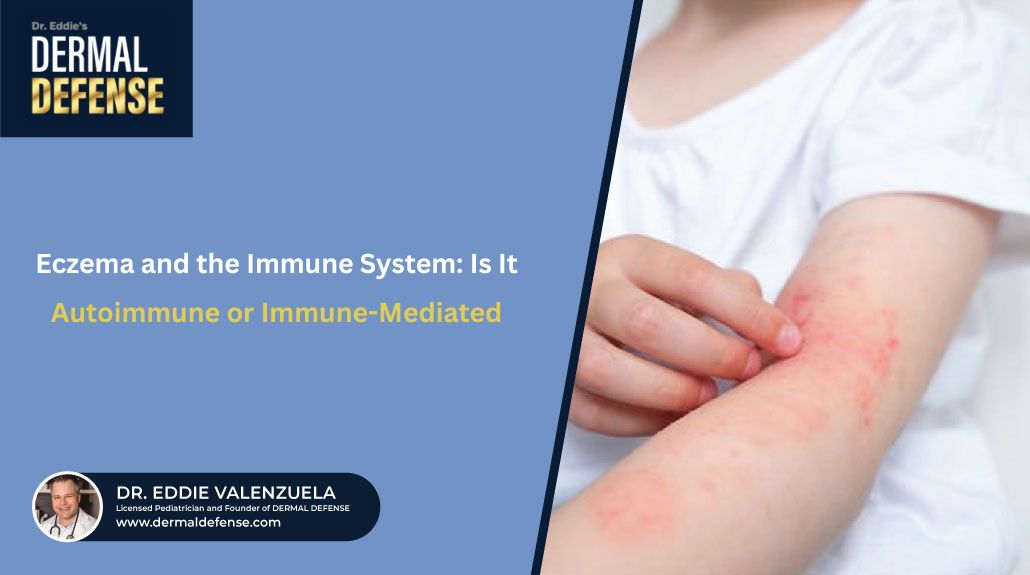
Eczema is one of the most common skin conditions worldwide. According to the national eczema association, it affects approximately 31.6 million people in the United States alone. Despite how common it is, eczema is often misunderstood, especially when it comes to its relationship with the immune system and recurring eczema flare-ups.
In short, eczema is not caused by a weak immune system, and it is not an autoimmune disease. Instead, it involves a combination of skin barrier dysfunction and immune overreaction to environmental triggers.
Many people still wonder: Is eczema caused by immune problems? Is eczema autoimmune? Understanding how the immune system behaves in eczema can help explain why flare-ups happen and how to manage them more effectively.
What is Eczema?
“Eczema” is an umbrella term used to describe several inflammatory skin conditions. The most common type is atopic dermatitis, which is why the terms eczema and atopic dermatitis are often used interchangeably.
Atopic dermatitis is a chronic inflammatory skin condition characterized by dry, itchy skin and recurring flare-ups. While it can affect people of all ages, it most commonly begins in early childhood. Some individuals outgrow it over time, while others experience symptoms into adulthood.
Common eczema symptoms during a flare-up include:
- Dry skin
- Intense itching
- Redness and inflammation
- Skin irritation or rashes
- Flaking or scaling
- Oozing or crusting in more severe cases
What Causes Eczema?
Eczema is believed to develop due to a combination of genetics, skin barrier dysfunction, environmental triggers, and immune system involvement.
In people with eczema, the skin barrier does not function as effectively as it should. This allows moisture to escape and irritants, allergens, and microbes to penetrate the skin more easily. In response, the immune system becomes overactive, triggering inflammation that leads to itching, redness, and irritation.
Rather than being caused by a weak immune system, eczema involves an exaggerated immune response to otherwise harmless substances once the skin barrier is compromised.
Is Eczema a Sign of a Weak Immune System?
No, eczema is not a sign of a weak immune system.
While it may seem counterintuitive, people with eczema often have an overactive immune response, not an underactive one. When the skin barrier is weakened, the immune system reacts aggressively to everyday substances such as dust, soaps, fabrics, or allergens.
This heightened immune response leads to inflammation in the skin, which causes the hallmark symptoms of eczema, including itching, redness, and irritation.
Is Eczema an Autoimmune Disease?
Eczema is not an autoimmune disease.
Autoimmune diseases occur when the immune system mistakenly attacks healthy cells in the body. In eczema, the immune system does not attack healthy skin cells. Instead, it reacts excessively to external triggers once the skin barrier is compromised.
Conditions such as psoriasis are autoimmune and are sometimes confused with eczema because they share symptoms like redness and scaling. However, eczema is best described as an immune-mediated inflammatory condition, not an autoimmune disorder.
According to the National Eczema Association, this means:
- The immune system is involved
- The immune system is not weak or broken
- The immune system is not attacking healthy skin cells
How the Immune System Reacts in Eczema
The immune system plays an important role in eczema, particularly once the skin’s protective barrier is compromised. The immune response involved in eczema includes both the innate immune system and the adaptive immune system, each contributing in different ways during a flare-up.
Innate Immune System
The innate immune system is the body’s first line of defense and responds quickly to potential threats. One of its most important components is the skin barrier itself.
In people with eczema, this barrier is weakened. Tiny gaps can form in the outer layer of the skin, allowing irritants, allergens, and microbes to penetrate more easily. When this happens, the innate immune system detects these substances and triggers an inflammatory response in an attempt to protect the skin.
While this response is meant to be protective, it can also contribute to redness, itching, and irritation when it becomes excessive.
Adaptive Immune System
When the innate immune system is unable to fully contain these external triggers, the adaptive immune system becomes involved. This branch of the immune system responds more slowly but in a more targeted way.
During an eczema flare-up, the adaptive immune system releases inflammatory signaling molecules called cytokines, which amplify the immune response in the skin. This process can:
- Increase redness and swelling
- Intensify itching
- Promote immune cell activity in the skin
Although this immune activity is intended to defend the body, excessive cytokine signaling can further disrupt the skin barrier, making symptoms worse and prolonging inflammation.
Effects of Eczema on the Immune System
While immune overactivity contributes to eczema flare-ups, recurring inflammation may also influence how the immune system responds in future episodes. Some research suggests that repeated flare-ups can lower the threshold for future inflammation, making the immune response more reactive over time and contributing to longer-term or more persistent eczema. One mathematical modelling study indicates that recurrent flare-ups may trigger an immune response pattern that predisposes the system to react sooner and more intensely upon subsequent exposure to triggers, potentially contributing to chronic disease progression.
In practical terms:
- Inflammatory responses may activate more quickly
- Less exposure may be needed to trigger symptoms
- Flare-ups can become more frequent
This does not mean the immune system is permanently damaged. Instead, it reflects a cycle in which skin barrier dysfunction and immune activation reinforce one another, increasing skin sensitivity over time.
Stress, Immunity, and Eczema
Stress does not directly cause eczema, but it can play a significant role in triggering flare-ups or worsening existing symptoms. If you’ve ever wondered can stress causes eczema, research and clinical experience both suggest that emotional or physiological stress can influence how the immune system behaves and make symptoms more likely.
During periods of chronic stress, the body releases higher levels of stress hormones and inflammatory signals. This can:
- Increase inflammation in the skin
- Slow down skin repair and healing
- Make the immune system more reactive
As a result, people with eczema often notice flare-ups during stressful periods, even when other triggers remain unchanged.
Eczema Treatment
When you are experiencing eczema, the primary goal is to reduce itching, redness, dryness, and irritation. While there is no permanent cure for eczema, it can usually be managed effectively through a combination of consistent skincare, trigger avoidance, and medical guidance when needed.
Following an Eczema Skin Care Routine
One of the most important steps in managing eczema is following a consistent, gentle skincare routine designed to support the skin barrier and minimize irritation. A well-structured routine helps soothe symptoms and reduce the likelihood of flare-ups.
A basic eczema-friendly routine typically includes:
- Cleansing the skin at least once daily with a gentle, hypoallergenic eczema body wash
- Washing the face twice daily with a mild cleanser suitable for sensitive skin
- Using lukewarm or cool water instead of hot water
- Gently patting the skin dry after washing rather than rubbing
- Applying a non-greasy eczema moisturizing cream immediately after bathing, while the skin is still slightly damp
- Moisturizing at least twice daily, or more often if the skin feels dry
Consistent moisturizing helps reduce moisture loss, calm irritation, and support the skin’s protective barrier over time.
Avoiding Eczema Triggers
As discussed earlier, various environmental and lifestyle triggers can lead to eczema flare-ups. Avoiding known triggers can help soothe active flare-ups and reduce the frequency of future ones.
Triggers vary from person to person and may include irritants, allergens, fabrics, weather changes, or stress. If you are unable to identify your triggers or if symptoms persist, consulting a healthcare professional can be helpful.
Choose the Right Products

Choosing the Right Products
Harsh or irritating skincare products are a common trigger for eczema flare-ups. Ingredients such as strong fragrances, dyes, or harsh cleansers can strip the skin of its natural oils and worsen irritation.
When choosing skincare products for eczema-prone skin, look for formulas that are:
- Fragrance-free
- Paraben-free
- Sulfate-free
- Dye-free
- Phthalate-free
- Gluten-free
- Cruelty-free
Products like the Dermal Defense Eczema Bundle are designed with these considerations in mind, focusing on gentle cleansing and barrier support rather than aggressive or irritating ingredients.
Promoting a Healthy Lifestyle
Lifestyle factors can also influence eczema symptoms. Supporting overall health may help reduce flare-ups and improve skin resilience. Helpful habits include:
- Managing stress as much as possible
- Exercising regularly
- Getting at least 7–8 hours of sleep each night
- Eating a balanced, nutrient-rich diet
- Staying well hydrated
Consulting a Doctor
If your eczema does not improve with proper skincare and trigger avoidance, or if symptoms worsen, it is important to consult a doctor. In more severe cases, a healthcare professional may recommend medical treatments such as:
- Topical corticosteroids
- Topical calcineurin inhibitors
- Antihistamines
- Biologic therapies
Some treatments, such as oral corticosteroids, are typically reserved for short-term use under close medical supervision.
Persistent symptoms may also indicate a different skin condition, such as rosacea, psoriasis, or a fungal infection that requires a different treatment approach.
Conclusion
Eczema is not caused by a weak immune system, nor is it an autoimmune disease. Instead, it is a condition driven by a combination of skin barrier dysfunction and immune dysregulation. When the skin barrier is compromised, irritants and allergens can penetrate more easily, prompting an exaggerated immune response that leads to inflammation, itching, and flare-ups.
This ongoing interaction between barrier damage and immune overactivity can create a cycle in which eczema symptoms recur or worsen over time. Stress, environmental triggers, and harsh skincare products can further amplify this response, making effective management especially important.
While there is no permanent cure for eczema, understanding how the immune system and skin barrier work together allows for better symptom control. A consistent skincare routine, gentle product selection, trigger avoidance, and medical guidance when needed can help reduce flare-ups and support healthier, more resilient skin.
By focusing on barrier support rather than aggressive treatment, many people with eczema are able to manage symptoms effectively and improve their quality of life.

- Can Eczema Cause Swollen Lymph Nodes? - March 24, 2026
- Why Eczema-Prone Skin Loses Moisture Easily (And How to Repair the Skin Barrier) - March 24, 2026
- Eczema and the Immune System: Is It Autoimmune or Immune-Mediated? - February 18, 2026
Recent Post
Frequently Asked Questions
Is eczema an autoimmune disease?
Is eczema caused by a weak immune system?
How is the immune system involved in eczema?
Can stress cause eczema?
What triggers eczema flare-ups?
What is the best skincare routine for eczema-prone skin?
Can eczema be cured permanently?
When should I see a doctor for eczema?
- Can Eczema Cause Swollen Lymph Nodes? - March 24, 2026
- Why Eczema-Prone Skin Loses Moisture Easily (And How to Repair the Skin Barrier) - March 24, 2026
- Eczema and the Immune System: Is It Autoimmune or Immune-Mediated? - February 18, 2026